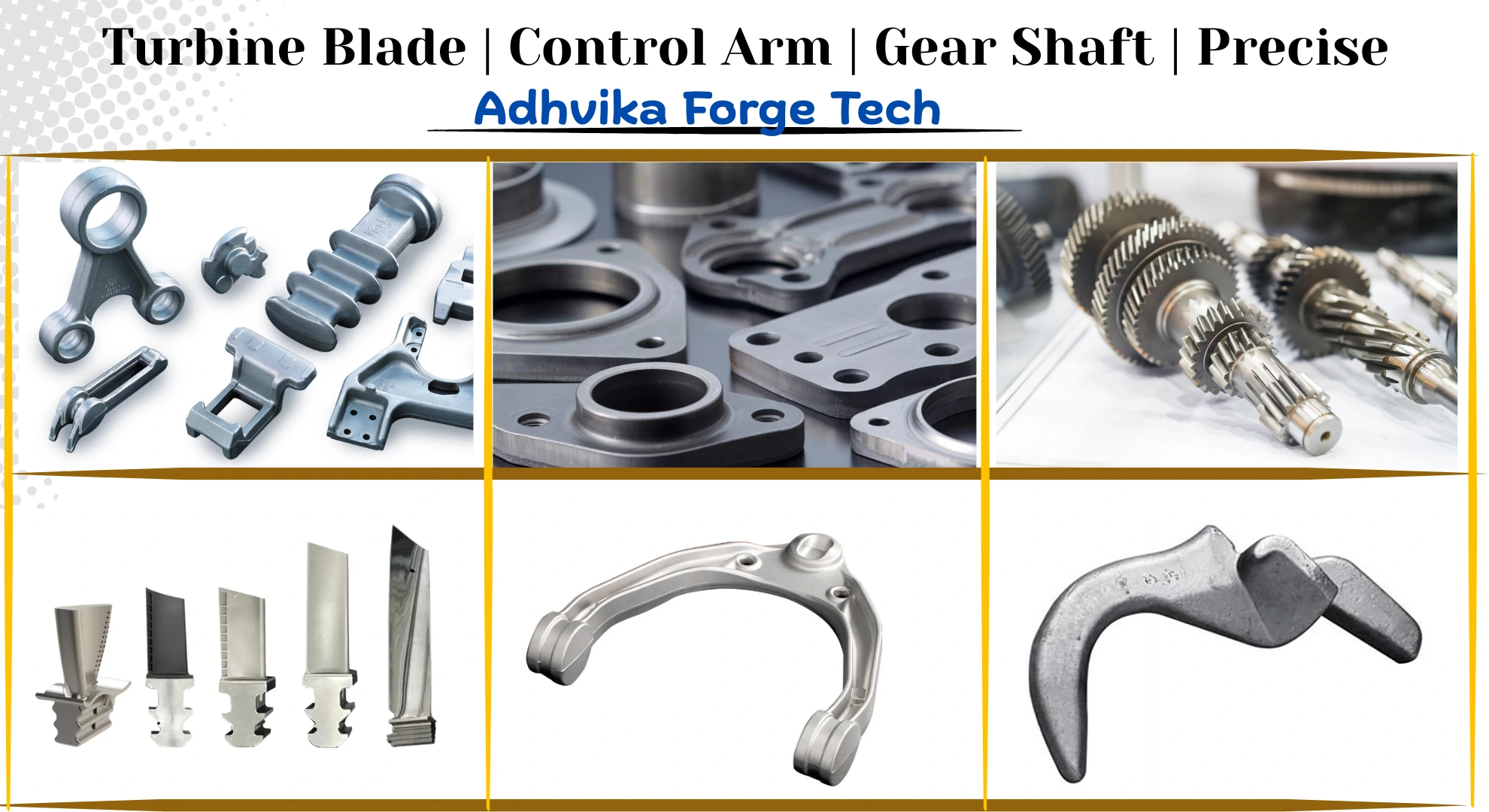
Servo Press
A servo electric screw press uses a motor and screw to deliver precise, controlled force. It improves accuracy, saves energy, and ensures consistent results in forming processes.
Servo Press handles eccentric loads to perform heavy, high-precision forging with excellent accuracy. It minimizes die stress and impact loads, improving tool life and product quality. With better control and efficiency, it also delivers higher yield and significant energy savings.


Working Principle Servo Press
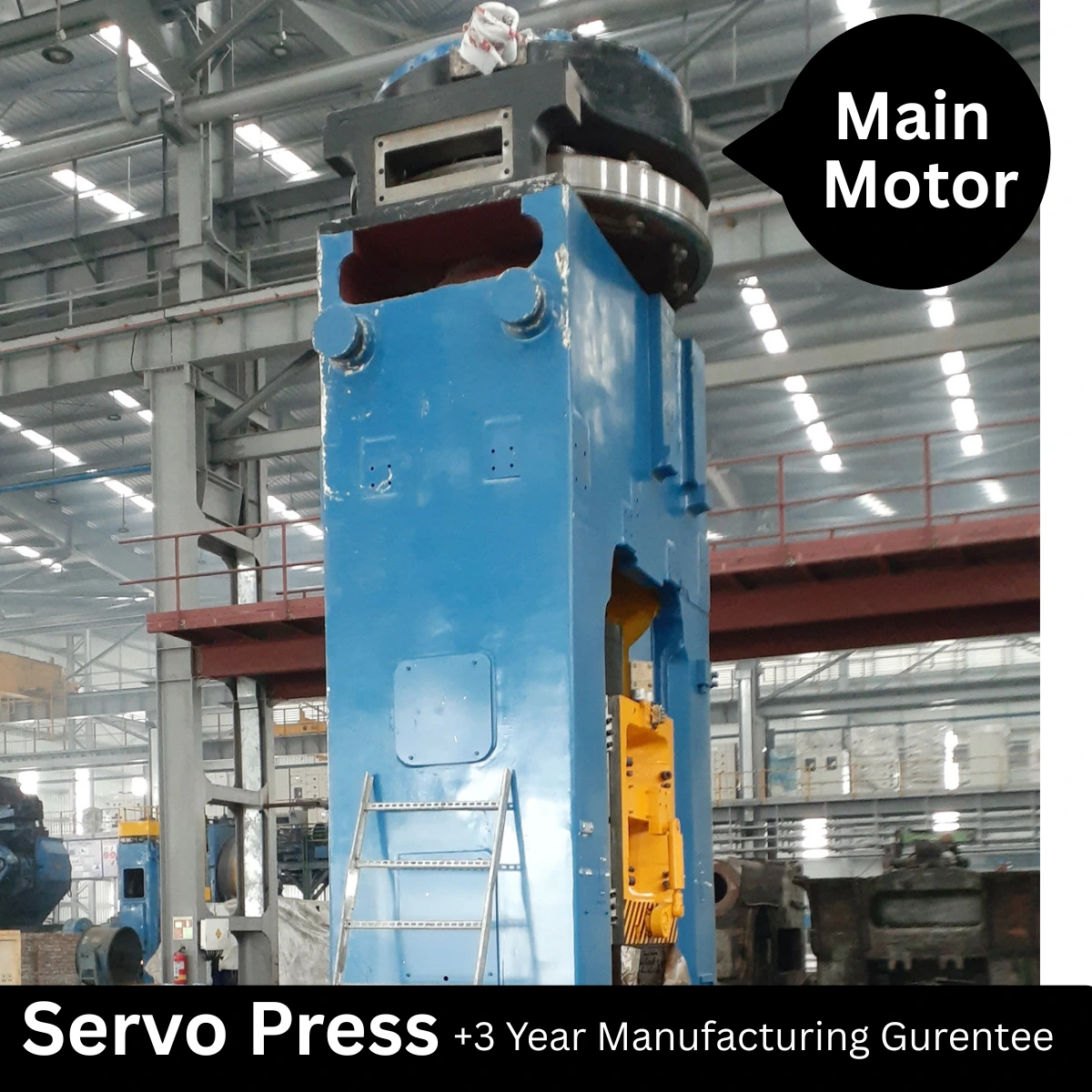
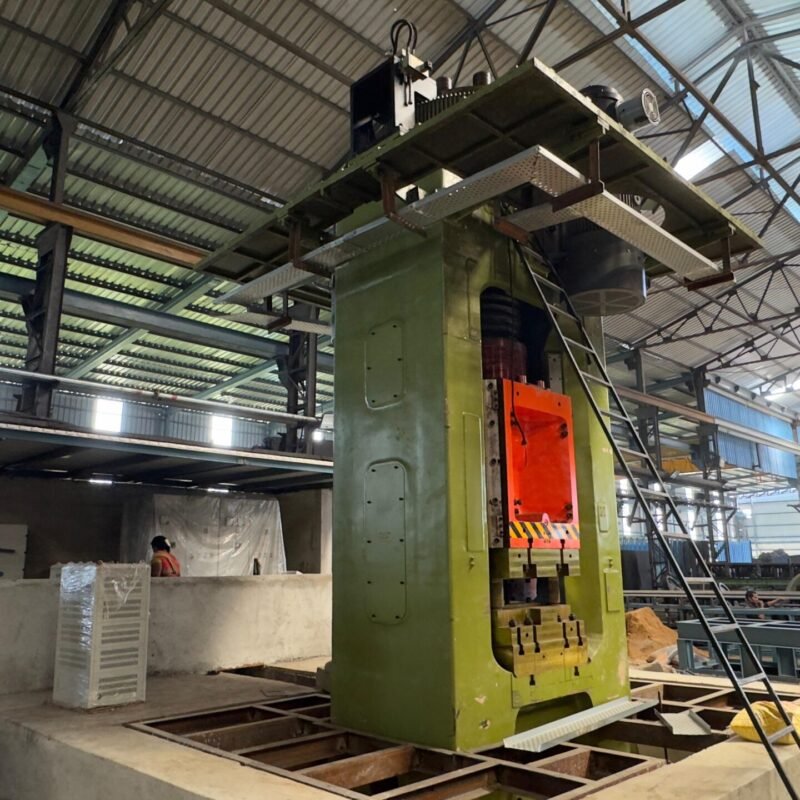
A servo electric screw press uses one main motor. This motor is connected to a screw, which turns and moves the ram up and down. This helps the machine work smoothly with high accuracy and better control.
Servo Press Important Part
Servo Press – Main Electrical Components (Point-wise)
- Inverter Drive (ABB): Controls motor speed and torque efficiently, protecting it from overload and overheating. It adjusts power based on job requirements, improving energy efficiency and ensuring smooth operation during different load conditions.
- Servo Motor: The main driving unit of the press, providing precise and controlled motion. It enables accurate positioning, variable speed, and consistent force application, making the press suitable for high-precision forging and forming operations.
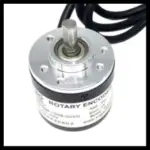
- Encoders (2 Nos.):
- One on motor
- One on ram/slider
→ These provide real-time position feedback to the PLC, enabling closed-loop control. They ensure accuracy, repeatability, and proper synchronization between motor rotation and ram movement.
- PLC (Controller): Acts as the brain of the system, processing signals from encoders and sensors. It controls motion profiles, safety logic, and operation sequences, ensuring the press works efficiently and accurately.
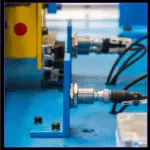
- Sensors: Detect TDC (Top Dead Center) and BDC (Bottom Dead Center) positions. They help in defining stroke limits, ensuring safe operation, and maintaining proper timing and positioning during each press cycle.
- Single Motor: In most servo electric screw presses, there is one AC servo motor that acts as both the brain and the power source of the system.
- Motor → Shaft → Screw: The motor shaft is directly or indirectly (via belt/gear) connected to the ball screw or screw shaft. So, when the motor rotates, the screw rotates accordingly.
- Rotating Shaft as Rotor: The motor shaft rotates like a rotor and changes speed and direction very precisely based on electrical signals from the stator.
- Rotary to Linear Motion: As the screw rotates, the connected nut or slider moves up and down in a straight (linear) motion, which is linked to the ram.
- Ram Presses the Part: As the screw turns, the ram moves downward and presses the part with exact force and depth, as programmed by the controller.
What types of forging can be done on a Servo Press?